Jackpot Distribution Algorithms and Their Influence on Roulette Payout Adaptations in VIP Mobile Ecosystems
Skriven av Frankie Müller · 2026-09-23
Jackpot Distribution Algorithms and Their Influence on Roulette Payout Adaptations in VIP Mobile Ecosystems
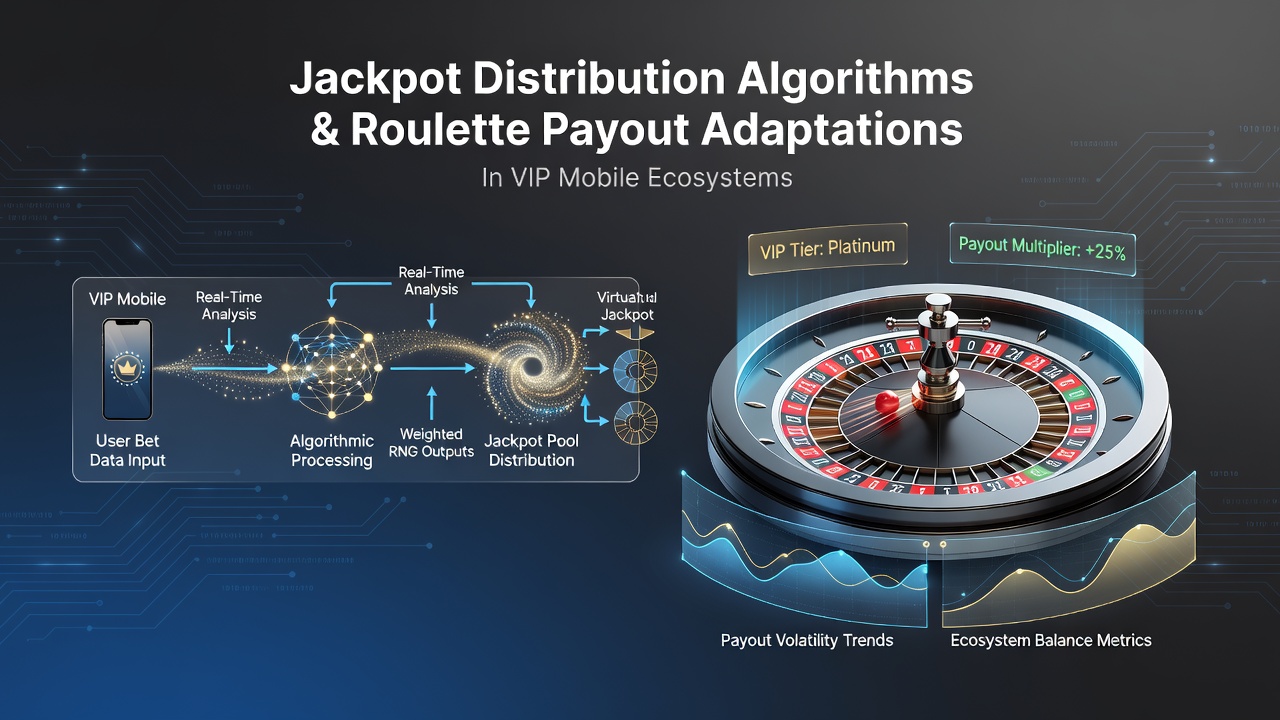
Jackpot distribution algorithms operate as core mechanisms in many digital gaming platforms where they allocate pooled funds across multiple games and user segments according to predefined probability models and contribution rates. These systems track player activity in real time while adjusting allocation weights based on factors such as wager volume, game type participation, and network-wide jackpot triggers. In roulette environments the same algorithms feed into payout engines that recalibrate house-edge percentages dynamically to maintain overall system balance across progressive and fixed-jackpot modes.
Core Mechanics of Jackpot Distribution
Developers build these algorithms around random-number generators combined with weighted contribution matrices that determine how much each spin or round adds to one or more jackpot tiers. Data from industry reports shows that tiered structures typically split contributions among local, regional, and global pools with the largest share often reserved for the top progressive level. Observers note that mobile implementations require additional layers of synchronization because network latency and session handoffs between devices can affect the timing of contribution updates and trigger events.
Researchers at several academic centers have examined how seed values and reseed intervals influence the statistical distribution of jackpot wins over extended play periods. One study released through the Australian Gambling Research Centre examined thousands of simulated roulette sequences and found that variance in jackpot hit frequency remained within expected bounds when contribution percentages stayed between 1 and 3 percent of total wagers. Such findings provide operators with benchmarks they apply when configuring VIP mobile applications that serve high-volume users.
Roulette Payout Adaptations in Mobile VIP Settings
VIP mobile ecosystems integrate these jackpot systems with user-specific payout tables that can shift in response to accumulated contributions and player tier status. When a progressive pool reaches certain thresholds the algorithm may temporarily adjust roulette payout ratios for lower-tier bets to preserve overall return-to-player targets across the entire game catalog. Those adjustments occur behind the scenes through server-side calculations that mobile clients receive as updated coefficient sets at the start of each new session.
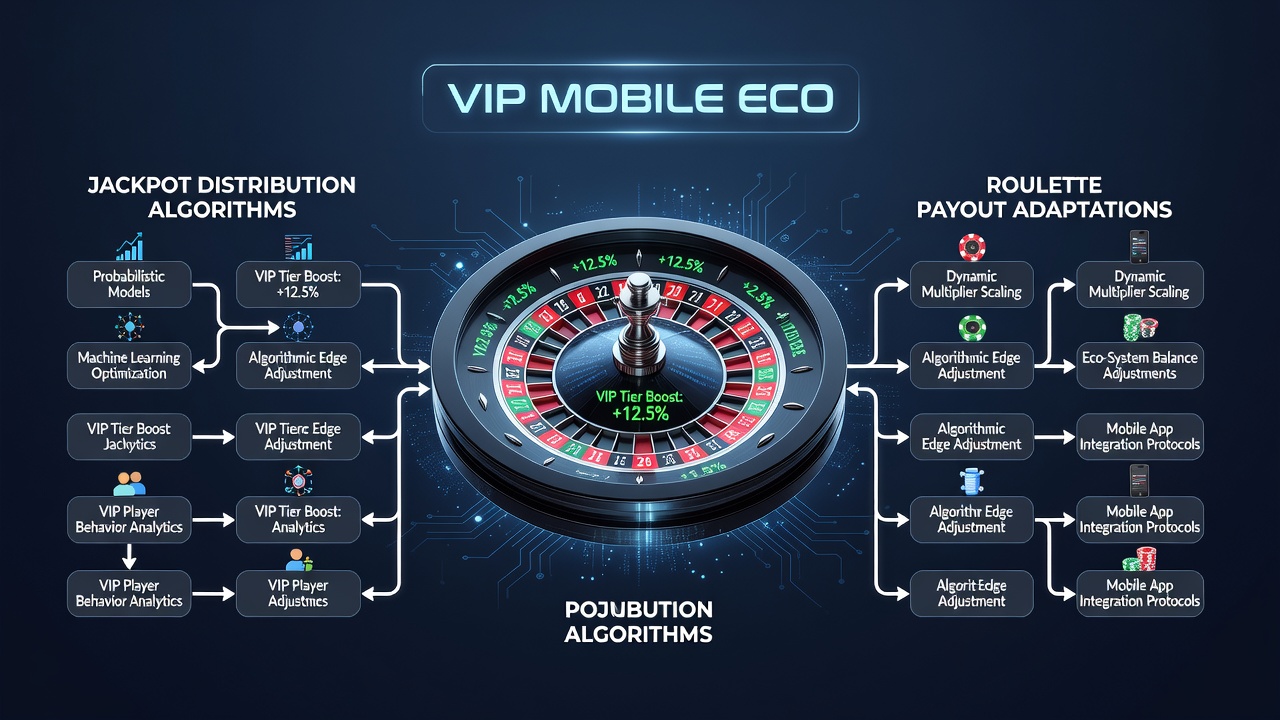
In September 2026 several major platform providers rolled out enhanced synchronization protocols that allow real-time jackpot data to influence roulette wheel segment probabilities on VIP accounts without requiring users to restart their sessions. These protocols rely on encrypted micro-updates that keep payout matrices aligned with current pool sizes while complying with regional technical standards set by bodies such as the New Jersey Division of Gaming Enforcement. The result is that players in higher loyalty tiers sometimes encounter subtle changes in straight-up or split-bet returns that reflect the algorithm's ongoing redistribution calculations.
Integration Challenges and Regulatory Context
Operators face ongoing demands to document how jackpot algorithms interact with individual game payout engines especially when mobile sessions cross jurisdictional boundaries. The Pennsylvania Gaming Control Board requires detailed logs that map contribution flows to payout modifications so that regulators can verify fairness metrics at any point in the distribution cycle. Similar requirements appear in Canadian provincial frameworks where testing laboratories evaluate both the randomness of jackpot triggers and the stability of adapted roulette returns under sustained load.
What's interesting is how these technical requirements translate into app-level features such as on-screen jackpot meters that update continuously while the underlying payout coefficients remain hidden from direct view. Developers achieve this separation through layered architecture that isolates the distribution engine from the presentation layer thereby reducing the risk of client-side manipulation. Data collected by the European Gaming and Betting Association indicates that platforms employing such separation report lower rates of compliance queries related to payout transparency.
Future Developments in Algorithm Design
Current research focuses on incorporating machine-learning components that predict pool growth trajectories and pre-adjust roulette payout schedules before thresholds are crossed. These predictive models draw on historical session data from VIP user cohorts to forecast when a mobile ecosystem might benefit from temporary payout compression or expansion. Although still in pilot phases at select operators the approach promises tighter alignment between jackpot distribution events and the overall player experience across multiple device types.
Conclusion
Jackpot distribution algorithms continue to shape how roulette payouts adapt within VIP mobile ecosystems through continuous calculation of contribution rates, pool thresholds, and tier-specific modifiers. Regulatory frameworks in multiple jurisdictions now mandate detailed auditing of these interactions to maintain verifiable fairness. As synchronization protocols evolve and predictive modeling gains wider adoption the relationship between jackpot systems and roulette payout tables will likely grow more integrated while remaining subject to the same technical and compliance standards that govern digital gaming platforms today.